
5 minute read
As the world grapples with the effects of climate change, offshore wind energy has emerged as a promising solution to reduce carbon emissions and provide clean, renewable power. Yet, despite its potential, offshore wind projects in the U.S. are facing significant legal and political challenges that threaten to slow their development. Recent legal battles highlight the tension between environmental progress and local concerns. Prompting us to ask can we truly balance the need for clean energy with the desire to protect local communities and natural landscapes?
Offshore wind turbines, once seen as the future of green energy in the U.S, are now at the center of a fierce debate. Residents of Cape Cod, Nantucket, and Martha’s Vineyard filed lawsuits against the Vineyard Wind project, arguing that the construction of wind turbines off the coast would harm their views, local economy, and marine life. The project, which aims to install turbines fifteen miles offshore, would be the first large-scale offshore wind farm in the country, and is expected to generate enough energy to power hundreds of thousands of homes. However, opponents argue that the turbines will disrupt the coastal environment, impact tourism, and harm wildlife, leading to a legal challenge that could delay or derail the project.
I have personal experience with this local opposition because while working at a marina on the Cape I hear many of my customers complaint that the turbines would be ugly and disruptive to the ocean.
Local Resistance
This is not an isolated issue. As detailed in Harvard Political Review, offshore wind energy projects across the U.S. are encountering growing resistance from local communities. Many coastal residents fear that the turbines will negatively affect their property values, coastal views, and local economies, particularly tourism. These concerns are amplified by the fact that the U.S. offshore wind industry is still in its infancy, with few existing projects to offer proof of the benefits and minimal environmental impacts of such developments. While the federal government and environmental groups emphasize the importance of clean energy and its role in fighting climate change, local opposition remains a major obstacle.
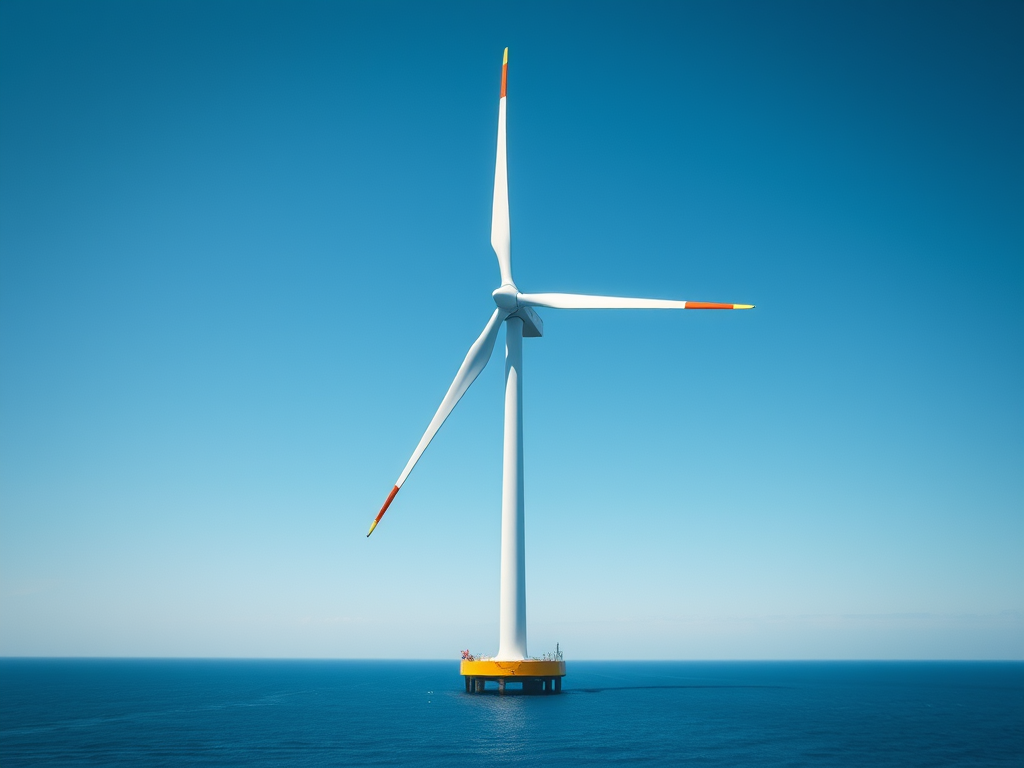
During this administration, the offshore wind farm in Martha’s Vineyard has been rejected twice, but is still actively being pursued. The outcome of this case could have major implications not just for the Vineyard Wind project, but for the future of offshore wind energy in the U.S. If the court rules in favor of the residents, it could set a precedent that makes it more difficult to develop offshore wind projects along the East Coast, and potentially across the nation.
While offshore wind energy offers a significant opportunity to reduce greenhouse gas emissions, the legal battles show the complexity of transferring to renewable energy. It’s not enough to simply build wind farms. Developers and policymakers must also find ways to address the concerns of local communities and navigate the complex web of legal, environmental, and economic issues that come with such large scale projects. This balancing act is key to ensuring that the benefits of offshore wind energy, such as (clean power, job creation, and reduced dependence on fossil fuels,) are realized without alienating the very communities that are needed to support it.
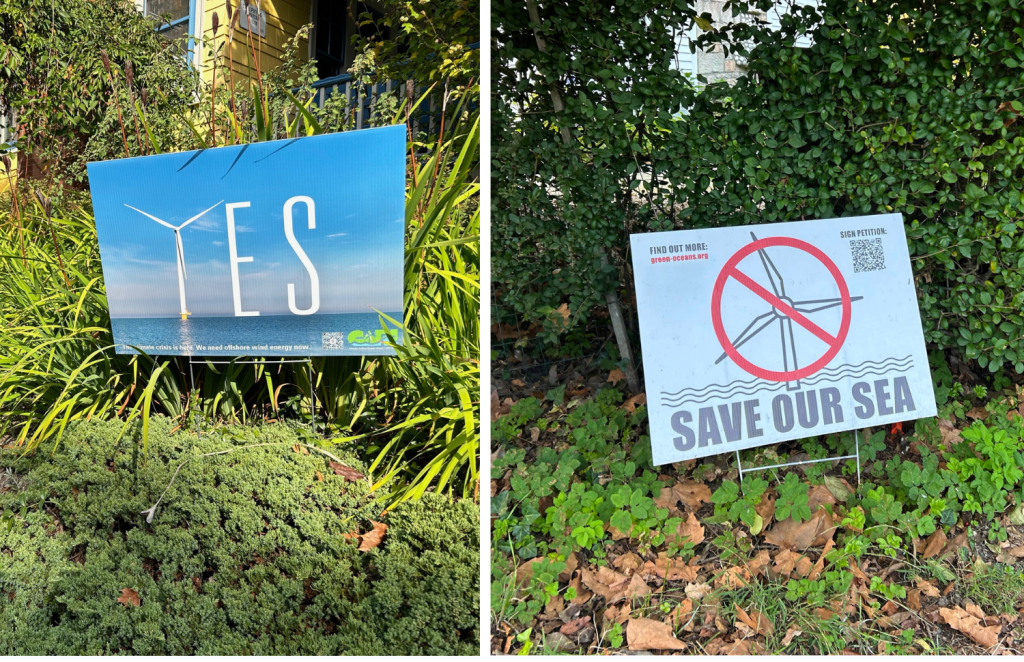
Moreover, the U.S. wind energy industry is in a race against time. China and many European countries are moving quickly to expand their offshore wind capacities, creating a competitive global market. The delay of key projects like Vineyard Wind could put the U.S. behind in this crucial industry, affecting its ability to meet climate targets and compete internationally.
Balancing Local Concerns
The fight over offshore wind energy also raises a broader question about how we transition to a greener future without alienating those who live near these projects. Can we build the clean energy infrastructure necessary to address climate change while also respecting the concerns of local communities? How do we balance environmental progress with local economic interests? These are the tough questions that will need to be answered as the U.S. works to develop its offshore wind industry.
As legal battles continue to unfold, the future of offshore wind energy in the U.S. hangs in the balance.
The outcome of cases like Vineyard Wind’s will have far-reaching consequences, not just for the future of renewable energy, but for the ability of the U.S. to meet its climate goals. The struggle is not just about turbines, it’s about finding the right balance between environmental progress and community concerns, and ensuring that the transition to clean energy is fair, equitable, and sustainable for all.
About the Author: Garrett Newhall is a Marine Affairs major at URI, and is a Cape Cod resident. He is curious about what the offshore wind project entails. He works at a Marina on the Cape and has heard of the concerns and benefits regarding this offshore wind project in the Vineyard, and wanted to research it further.
This article was written for MAF/APG 471_Sp25, I attest that I am the author of this article and have responsibly referenced my sources throughout the article. I have given professor Lloréns permission to publish it on her website.
 hildallorens.com