
7 minute read
For many, when visiting a tropical island-nation, it is a must to go to the beach and enjoy a piña-colada. Tourists might plan excursions to the “must-see” attractions, try the local food, or even enjoy watching or participating in a cultural tradition. While there’s nothing wrong with traveling this way, sticking to pre-determined tourist itineraries often leads to overlooking the unique identity of a place.
THE UNSEEN
The “tropical getaway narrative” portrays small-island nations that rely on tourism to boost their economies as shiny tourist brochure versions of themselves. This narrative is the pre-packaged and advertised, picture-perfect tourist destination that visitors expect to find when they land. Often, the glaring wealth and access inequality gap between the sending societies from which tourists travel introduce feelings of “otherness” in local populations.
Many of the tourists who descend on tropical and Mediterranean island destinations often travel from wealthier continental societies in the Global North. They bring with them not only their expectations for a beautiful and relaxing vacation, but also their unflattering ideas about the “smallness” of island-nations and their people. Acts of favoring the tourist economy force islanders into a state of hospitality, leaving them to make sense of the internalized feelings of inferiority left in tourism’s wake. For reasons of consideration and care, visitors should strive to practice ethical and sustainable tourism.
Ethical tourism reminds visitors that these locations are not just tourist destinations, but people’s homes.
It is not uncommon for service workers in the tourism sector to be mistreated by visitors. Even though visitors are on vacation and frequently expect to be waited on 24/7, it’s important to remember that this is the livelihood of individuals making a living in the hospitality and service economy. Workers go back to their families, life issues, and financial problems— a fact that is often forgotten in the “tropical getaway narrative.”
THE IMPACTS
This “tropical getaway narrative” imposes a constant state of hospitality onto countries that need the tourism economy to survive in today’s globalized capitalism. A small percentage of tourism’s revenue only trickles down to the islanders themselves. Instead, much of the revenue goes to multinational corporations, which own the tourist industry, and to high-level local government officials, who make way for tourism to thrive. This pattern is emblematic of the tourism industry and is exemplified in many places, such as the Bahamas, which have branded themselves on the global scene as a premier destination for white-sandy-beach island tourism.
Tourism is taxing on small island nations due to often lacking sustainable infrastructure to accommodate the comparative large influx of tourists. Tourism demands a simplification of the local culture to fit the tourists’ needs. In some cases, supplies such as food, goods, and electricity are redirected to tourist areas, making material goods and energy unavailable to islanders. This phenomenon is seen across many tourists destinations, such as in Aruba. This often means that islands are unable to keep up with the demand, which leads to the allocation of resources from the islanders toward tourism-related industries, while also relying heavily on imported goods to meet the demand.
A REAL-WORLD PERSPECTIVE: MALTA AS A CASE STUDY
Like in the Caribbean, this kind of tourism can also be seen in the Mediterranean island nation of Malta. Malta is 122 square miles, around 1/10 the size of Rhode Island and is surrounded by a small group of islands which together make up the country. In recent years, Malta has had a rapidly growing tourism industry, which as a Maltese national, I have experienced first hand. With the majority of my extended family living in Malta, I have spent many summers and school breaks there visiting relatives. I would hear from my family and see first hand the gentrification, corruption, inequality, and environmental injustice which is part of everyday life.
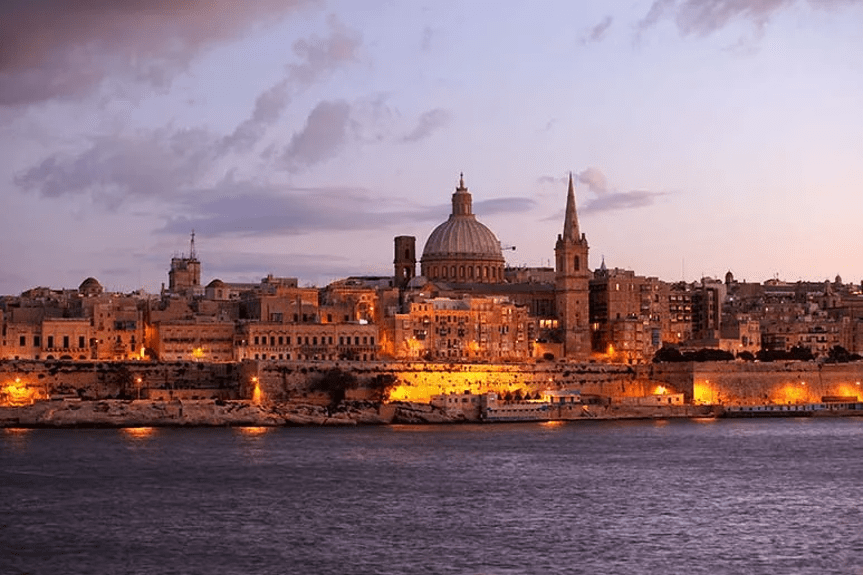
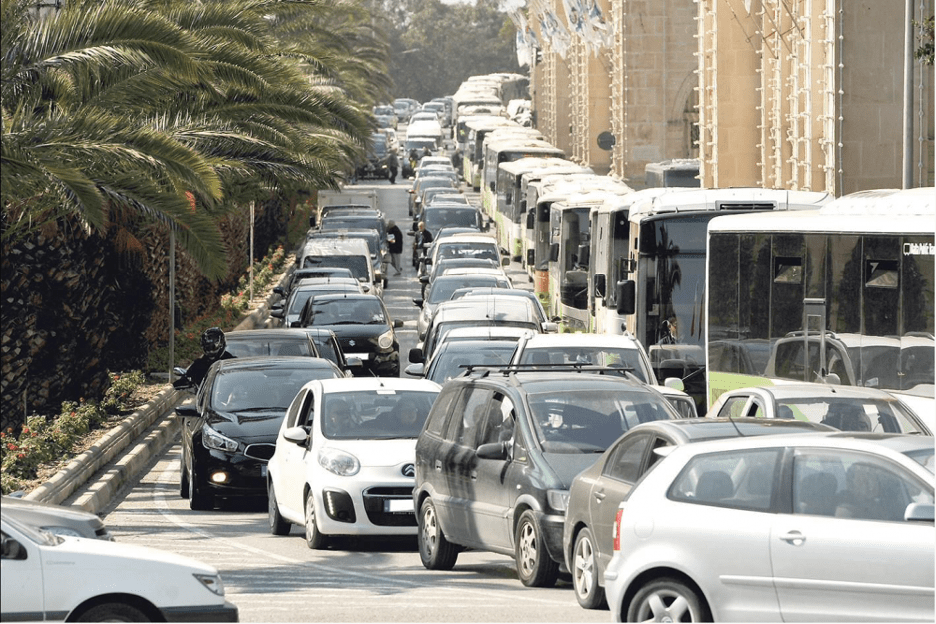
When I visited recently, I asked my Aunt Deborah to share her insights about life in Malta. She mentioned how Paceville, a once popular area for Maltese people, is now a place that locals stay away from due to the high influx of tourists and steady crime rate. She also said that if I had arrived just a few days prior, I would have seen a packed full island. She said it is difficult to visit the capital and shopping areas on Wednesdays and Thursdays when the cruise ships dock in the harbor, making it impossible for locals to run errands. Aunt Deborah remarked that it is uncomfortable to drive around the island during the peak tourist season because the traffic is never-ending. Typically it takes 20 minutes to drive around the island, but during the high tourist season it takes up to two hours.
Inquiring further about the impact of tourism on my family, I asked my father if he had any personal stories to share. He said that tourism in Malta is burdensome on the locals as the government pushes for resources, such as food, to be redirected to tourist areas. He explained that when he was a young boy it was common knowledge that if you wanted nice fruit to eat you had to grow it and pick it yourself. Not many people have continued growing food and now, he explained, fruit has become expensive in the market, but his family has opted to grow lemons, mangoes, and oranges in their backyard to have access to inexpensive, and not imported fresh fruit. Now the area where he grew up has become crowded with newly built residences, but in his childhood, there was also a cactus field where he used to pick prickly pears, now a delicacy.
Furthermore, due to the small amount of farmland on the island much of the food is imported, this leads to the “nicer” food to go to wealthy tourist areas leaving the remaining food to be distributed among the locals. Due to the lack of access to locally farmed food, islanders are forced to purchase expensive imported food which has increased the cost of living. Not to mention the steady increase in the cost of housing, making it almost impossible to afford a house. There is a constant battle between developers, people looking to buy a vacation home, and locals, where low-wealth puts the islanders at a disadvantage.
Towards an Ethical Tourism
Unethical tourism practices, coupled with local governments that cater to the desires of tourists over local populations, eventually degrade an island’s sense of self. Extractivist tourism leads to feelings of inferiority, creating a sense of “second-classness” for locals in their own home. To ensure an ethical travel approach, it’s important to develop a caring, considerate mindset. The travel industry would do well to invest in creating an ethical traveler’s mindset rather than the current extractive-tourist-mindset, to promote understanding and valuing of cultures. Teaching individuals about practicing ethical travel, would slowly lead to a change in the collective mindset and behavior about what is right and wrong, and how to treat the people who labor to make our vacations memorable experiences.
About the Author: Adi Muscat is a student at the University of Rhode Island majoring in Anthropology and minoring in Public Relations and Justice, Law, and Society. Spending many of her summers in Malta visiting her family and a Maltese national herself, the island is of extreme significance to her. She currently resides in Rhode Island, USA, and plans to use her global upbringing and experiences to promote a diverse, sustainable, and inclusive environment for all.
This article was written for MAF/APG 471_Sp25, I attest that I am the author of this article and have responsibly referenced my sources throughout the article. I have given professor Lloréns permission to publish it on her website.
 hildallorens.com