
5 minute read
When Hurricanes Irma and Maria struck Puerto Rico in 2017, they devastated the archipelago leaving millions without power for months. Five years later, in 2022, Hurricane Fiona caused widespread flooding, further highlighting the Caribbean’s vulnerability to climate change. As sea levels rise and storms intensify, Caribbean nations face an urgent need to adapt. Rather than remain passive victims, governments, local communities, and regional organizations are implementing diverse strategies to build resilience. From disaster preparedness plans to renewable energy investments, Caribbean islands are leading efforts to safeguard their future.
Why the Caribbean is at the Forefront of Climate Change
The Caribbean is home to over forty million people across island nations, many of which depend heavily on tourism, fishing, and agriculture. Climate change poses an existential threat to these societies and economies. Rising sea levels threaten coastal communities, while the warming of ocean temperatures intensifies hurricanes, making them more destructive. According to a 2021 IPCC report, many Caribbean islands could experience severe flooding and coastal erosion by 2050, potentially displacing thousands of residents.
Renewable Energy: Powering Resilience
Dependence on tanker-delivered fuel leaves islands exposed when ports close after storms. Barbados now projects 100 percent renewable electricity by 2030, Puerto Rico’s emergent neighborhood microgrids are keeping the lights on when the central grid fails, and The Bahamas is piloting standalone solar battery systems on remote cays to slash diesel shipments. Cutting emissions is part of the goal, however energy independence during hurricanes may prove an even greater dividend. Concrete seawalls help, but healthy ecosystems protect coastlines at a fraction of the cost. Across the region mangrove forests are being restored to blunt storm-surge energy, and Belize is experimenting with “reef breakwaters” that both shield beaches and revive fisheries. In the Dominican Republic scientists are grafting heat-resilient coral onto artificial frames to rebuild reefs lost to bleaching. These projects draw on global research showing that every dollar invested in mangroves can save up to US $15 in avoided flood damage. By pairing green infrastructure with traditional engineering, Caribbean nations reduce insurance losses, create habitats, and sequester carbons, turning nature itself into a frontline defense against climate change.
CARICOM’s Climate Action Plan
The Caribbean Community (Caricom), an organization of 15 Caribbean nations, developed the Caribbean Community Climate Change Implementation Plan in 2014 as a response to the growing threat of climate change. This regional strategy emphasizes building resilience through targeted infrastructure improvements, economic diversification, and a shift toward renewable energy sources. Key priorities include enhancing early warning systems to better prepare for hurricanes, promoting sustainable agriculture to support food security, and investing in climate-resilient infrastructure like flood-resistant buildings and seawalls. The plan also encourages transitioning away from fossil fuels and expanding the use of solar and wind energy across the region to reduce long-term environmental and economic vulnerability. Over a decade later, the plan’s influence is evident as numerous resilience projects are now underway across the region.
Global Support and Climate Justice
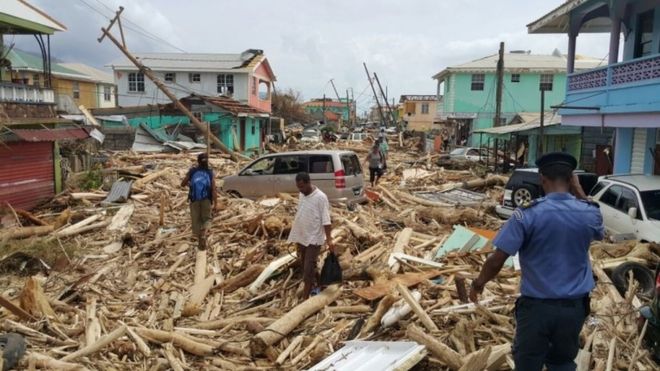
As a result, Caribbean leaders emphasize that long-term resilience hinges on global climate justice and equitable financial support. At international forums such as COP27, they have repeatedly called on high-emitting countries to provide adequate climate finance to help vulnerable regions adapt and recover from climate-driven disasters. According to the United Nations Framework Convention on Climate Change (UNFCCC), most Caribbean nations have received only a fraction of the funding needed to implement their national adaptation plans. This disparity highlights a broader issue: although the Caribbean contributes less than 1% to global greenhouse gas emissions, it bears a disproportionate burden of climate-related damage. Organizations like the Alliance of Small Island States (AOSIS) continue to advocate for dedicated loss and damage funds, debt relief, and technology transfers to help island nations cope with the intensifying effects of climate change.
Teaching Youth and Using Education as Climate Resilience Tools
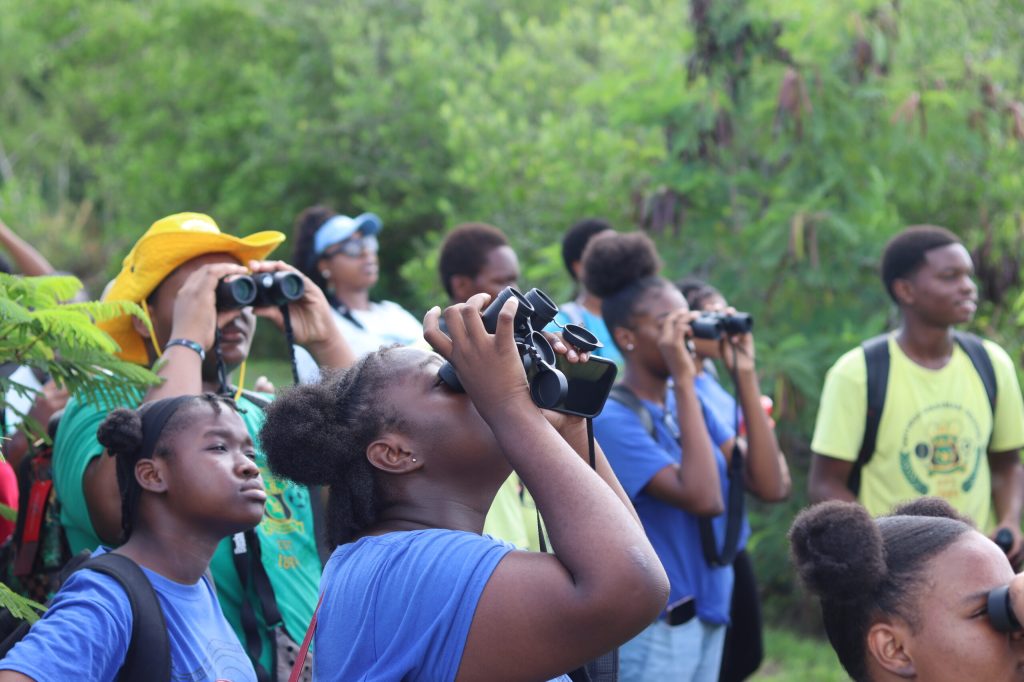
Environmental education has been integrated into school curricula across the region, often with support from organizations like (UNESCO) that recognizes the importance of preparing young citizens to face future climate challenges. Caribbean youth have also become some of the most vocal climate advocates, connecting through groups such as the Caribbean Youth Environment Network (CYEN) to engage in policy discussions, organize community clean-ups, and lead local sustainability projects. In Trinidad and Tobago, as well as in Saint Lucia, youth groups engage in coral restoration, mangrove planting, and public awareness campaigns. These direct efforts not only build climate literacy but also create a generation of informed citizens prepared to lead adaptation and mitigation efforts in their communities.
For Caribbean islands, preparing for climate change is a multifaceted endeavor. From government policy frameworks and regional cooperation to grassroots movements and educational initiatives, these nations are proactively forging a path toward resilience. With continued global support, their leadership on the frontlines of climate adaptation offers a model for other vulnerable regions around the world that face similar threats.
About the author: Trevor Burrill is a Marine Affairs major at The University of Rhode Island. His academic and research interests include climate resilience, ocean policy, and island sustainability.
This article was written for MAF/APG 471_Sp25. I attest that am the author of this article and have responsibly referenced my sources throughout. I have given Prof. Lloréns permission to publish it on her website.
 hildallorens.com