
6 minute read
Community gardens are sanctuaries amid towering buildings and the fast-paced landscape of modern American cities. In the middle of cities built on industrialization and fast commerce, community gardens bloom like quiet rebellions. Yet, industrial waste and pollution contaminate garden soil with lead and arsenic, posing dangerous health risks that disproportionately affect neighborhoods home to people of color (POC) and working-class residents.
As grocery prices continue to rise, urban gardens offer a vital opportunity to grow and share food among friends, family, neighbors, and even strangers. While vegetables in U.S. grocery stores often travel long distances before landing on shelves marked with high price tags, much of that food could be grown locally in the increasingly rare green spaces found throughout cities, or in abandoned lots that resourceful communities have repurposed into rich gardens.
POISON IN THE PLOT
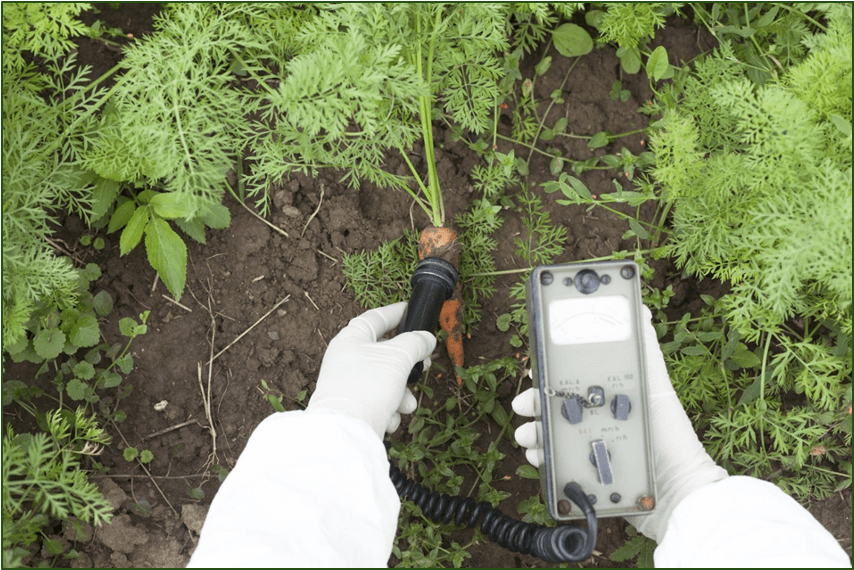
Gardeners often spend long days under the sun with hands in the warm soil, carefully watering and tending their plots, comforted by the shade of the surrounding buildings over a shared green garden. The carefully and lovingly grown fresh food, which is more tasty than the grocery store’s counterparts, might unknowingly contain harmful heavy metals.
Contaminated soil is the dirtiest dirt. The heavy metal toxins cling beneath fingernails, rise into the air as dust, flow through water from gardening cans, hoses, and rainfall. Lead, arsenic, and cadmium seep into the roots of the gardener’s beloved vegetable plants and accumulate in the edible tissues of their fruit. With this in mind, even the ripest red tomatoes begin to resemble biohazard symbols.

The effects of these toxins aren’t always immediately obvious, but they slowly make their way into the body, without the gardener even knowing. Long-term exposure to lead can cause kidney damage, high blood pressure, and hinder reproductive health in adults. For children, their developing bodies absorb the toxin more easily than adults, impairing brain development.
While plant roots hold soil in the ground, tilling and digging in contaminated soil makes gardeners more susceptible to inhaling lead particles. Little kids digging with their bare hands, and maybe even eating the dirt, ingest these toxins quickly. In abandoned urban lots, visible pollutants such as litter, glass, rusty nails, needles, add another layer of environmental degradation, placing additional responsibility on gardeners to remedy their plots.
Research indicates that lead (Pb) contamination is prevalent in urban soils, particularly near former industrial sites, ongoing urban development projects, manufacturing plants, high-traffic areas, historically leaded gasoline stations, and residential houses with outdated lead paint and plumbing. Studies in Chicago, Cleveland, Los Angeles, New York, and Seattle have found high Pb concentrations in soil, highlighting the national widespread nature of this environmental hazard.
THE ONGOING LEGACIES OF CITY SOIL
The Earth does not forget.
Its soil remembers industrialization: factories, traffic, and demolition.
The pain of redlining and systemic discrimination is passed down through people, family stories, even modern city maps. Lead contamination extends beyond the ground, but inside old homes, manifesting in casual parental warnings like “stay away from the windowsills.”
In the 1930s, US federal housing policies marked Black and immigrant neighborhoods in red on city maps, labeling them “hazardous” and denying residents mortgages and loans to enforce segregation of white neighborhoods from those home to people of color (POC). These neighborhoods were deemed hazardous not because of conditions for POC residents within, but rather for the prejudiced white neighbors encouraged to avoid POC communities. Redlined areas were placed near highways, factories, and industrial zones, exposing marginalized communities to high levels of pollution.

Decades later, the same urban communities are still painted in red, this time on environmental pollution maps, and the people living within them remain exposed to hazardous conditions. Pollution is systemically embedded in the land itself: in the soil, the water, and the air.
In 2022, the U.S. Environmental Protection Agency (EPA) updated soil contamination screening standards in their strategy to Reduce Lead Exposures and Disparities in U.S. Communities. However, recent actions to reverse EPA regulations under the Trump administration, in favor of fossil fuels, have placed the proposal to replace lead service lines in water systems under “pause and review”. Testing urban soil for heavy metal contamination is extremely important, but tests do not eliminate the systemic pollution embedded in city infrastructures. Communities depend on city governments to implement and fund similarly costly projects for soil remediation.
ENVIRONMENTAL JUSTICE ACTIVISM
Urban communities are organizing on the leading movements of environmental justice, through political activism, land stewardship, and innovative approaches to community gardening. Community gardens serve as powerful acts of resistance against capitalism, extractivism, and systematic racism. They are spaces where nurturing vegetable plants is a practice of collective care addressing food insecurity in historically marginalized communities.
Low income and POC Communities are forced to become resilient against the detrimental impacts of large corporations and governmental entities. Political activism for environmental justice in U.S. cities requires attending city council meetings, mapping environmental hazards, and demanding accountability from polluters and policymakers. ‘Resilience’ is more than a climate buzzword; true resilience is action in the unrelenting fight for environmental justice.
Indigenous knowledge also plays a key role in urban environmental justice. Traditional practices for soil health, such as polyculture and composting, are being integrated into urban gardening projects to restore contaminated land and enhance ecological resilience. These practices, long rooted in Indigenous communities, offer land-conscious and ecologically respectful alternatives to industrial land use, supporting both the environment and community.
In New York City, the Clean Soil Bank study resulted in a governmental program of the same name to remedy soil in contaminated areas. In Partnership with NYC Parks GreenThumb program, an organization called GrowNYC works to preserve green spaces in urban communities and build gardens for local neighborhoods, residents, and schools. Their project photos are inspirational and heartwarming, exemplifying true community climate resilience.


Images: United We Stand Community Garden in South Bronx, New York City (GrowNYC, 2016)
Across the United States, there are hundreds of grassroots organizations working to provide green spaces, soil contamination testing and equitable food access for urban communities.
For more information or to get involved, here are some reputable organizations:
- Urban Growers Collective in Chicago, IL
- Green City Growers in Boston, MA
- Seattle Tilth in Seattle, WA
- Keep Growing Detroit in Detroit, MI
- Deep South Center for Environmental Justice in New Orleans, LA
- LA Community Garden Council in Los Angeles, CA
About the Author: Rose Cavallaro is a Graduate student at the University of Rhode Island, pursuing a Master’s in Environmental Planning and Management with a focus in Communications. A beginner gardener and avid houseplant enthusiast, she is concurrently working towards a Community Planning Certificate with the intent to help preserve green spaces and ensure environmental equity through thoughtful municipal development planning.
This article was written for MAF/APG 471_Sp25, I attest that I am the author of this article and have responsibly referenced my sources throughout the article. I have given professor Lloréns permission to publish it on her website.
 hildallorens.com