
5 minute read
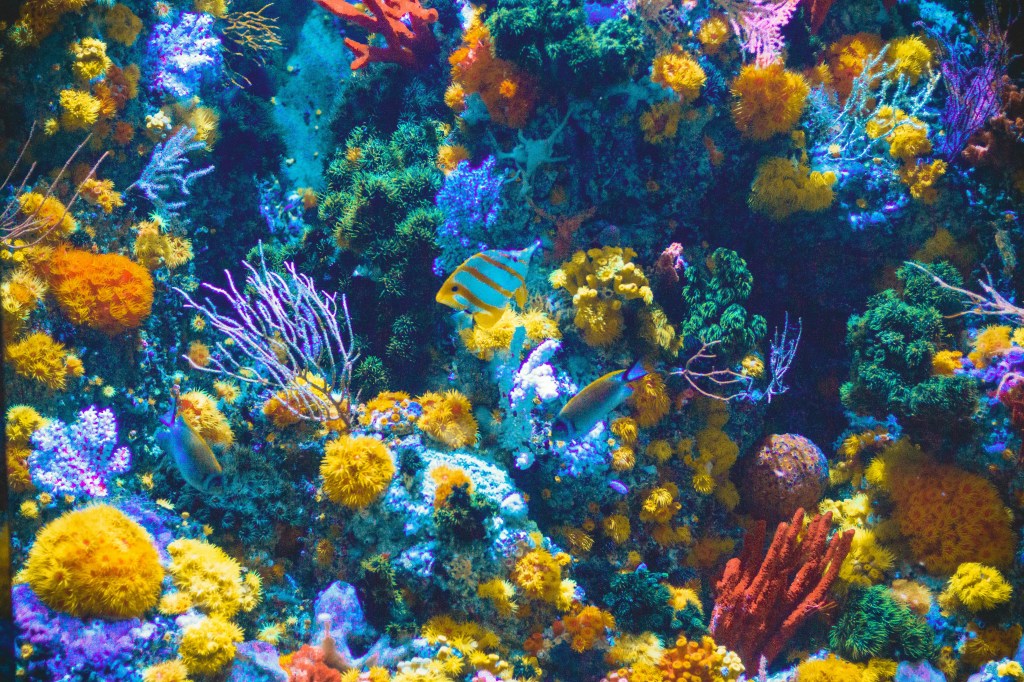
Coral reefs are some of the most beautiful organisms to see. When they are healthy, they are bright colored and seem to shine against the ocean’s blue. Then there are the colorful fish swimming around them, searching for food, finding shelter, and breeding grounds.
Known as the rainforests of the sea, coral reefs keep the ocean ecosystem working. Yet, you may ask yourself: “Why does there need to be an article about this? Coral reefs sound amazing.” The answer is that these vulnerable organisms are dying.
Climate change, pollution, overfishing, and other human activities are contributing to their demise. Around the globe a billion people depend on coral reefs for food, jobs, economic benefit, the list goes on. Thus, the aim of this article is to spread awareness about what is endangering coral reefs, and how we can help and prevent them from dying.
Why are Coral Reefs dying
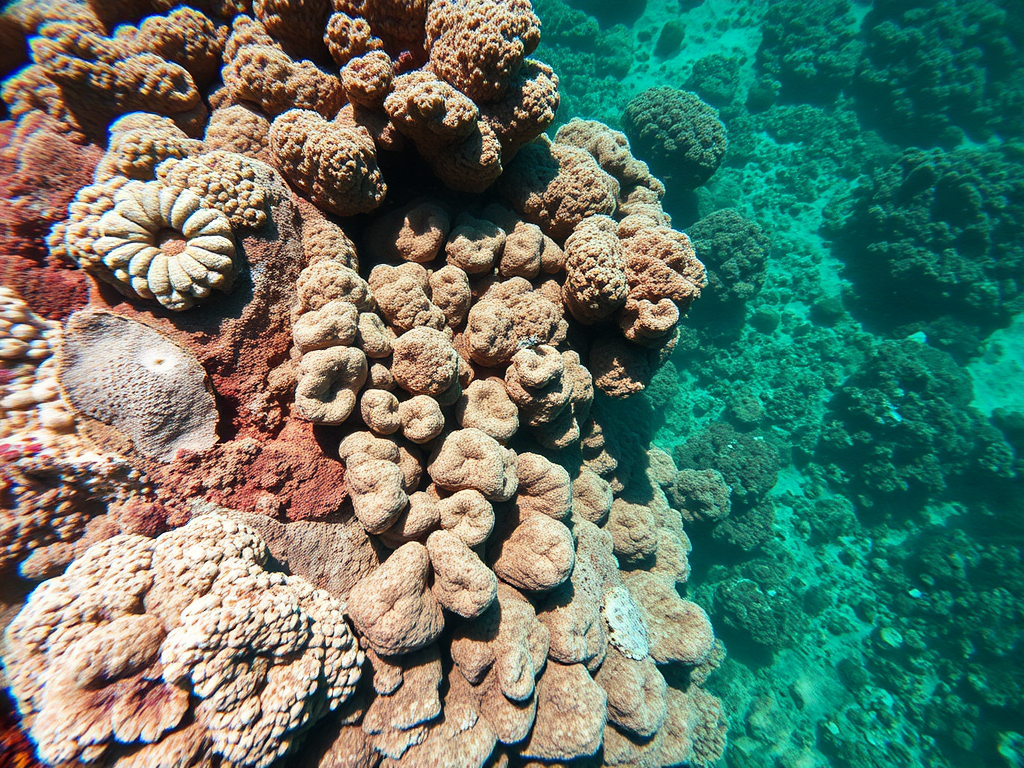
One of the biggest factors in reefs dying is climate change; climate change equals ocean change. The warming ocean creates thermal stress on the reefs, causing the reefs to bleach themselves to try to reflect heat and sunlight off to keep temperatures down. The term bleaching means they turn white; sometimes they are able to recover, but most times the bleaching leads to the reefs’ death.
Fishing is a sport that many enjoy, myself included. But beyond individual and small-scale fishing is large-scale industrial fishing, which tends to be destructive, extractive, and is leading to overfishing. As much as the reefs help the fish, the fish help the reef. Fish eat and clean the algae that grow on it to help them thrive. Schools of fish help cover sunlight from the reefs, keeping the water temperature down. But when overfishing occurs, not only are the fish populations devastated, but so are entire habitats that depend on them, including coral reefs. Additionally, fishing nets getting caught on reefs rip them out of the ground, and debris from traps damages reefs, taking many years for them to become healthy again.
Another significant reason why coral reefs are dying is as a result of human-based pollution to the ocean. Over the years, the world has seen numerous oil spills from land and sea. When oil comes in contact with corals, it can kill them, stunt their growth and development, and stop their reproductive abilities. Not only does it affect the reefs, but it also affects the many species that rely on coral reefs to survive and thrive.
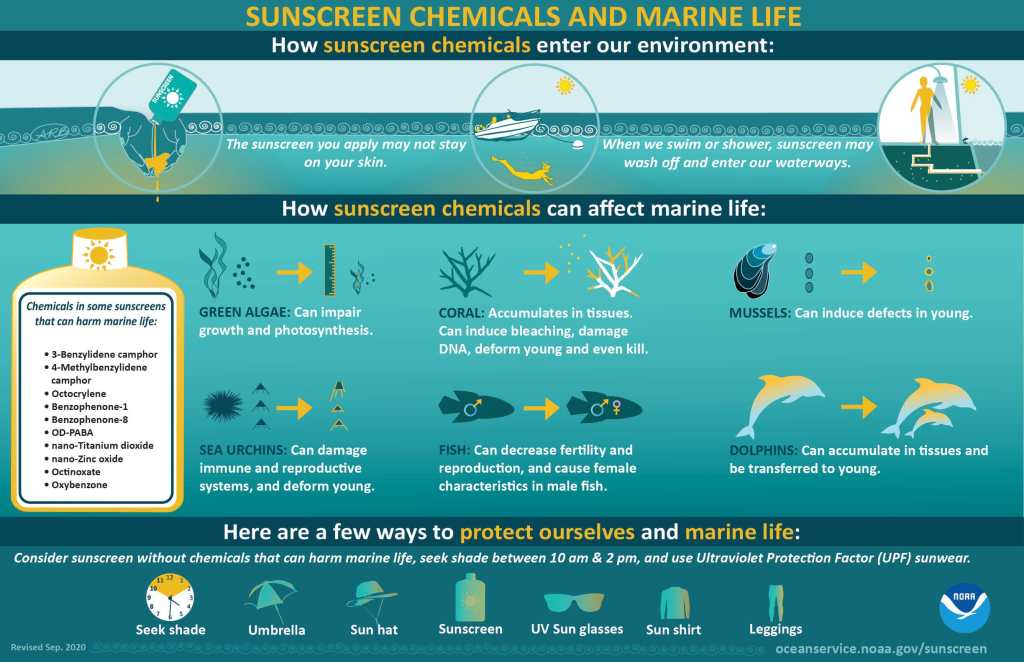
Have you ever gone swimming in the ocean with sunscreen on, just a normal bottle from a corner store? Then you, perhaps unknowingly, have hurt coral reefs. Many people don’t know that sunscreen contains many toxins that contribute to the killing of coral reefs. Without knowing this, people contribute to damaging or even killing coral reefs.
How can we help?
Everyone can do their part to help. By making small changes in your life, you can help keep reefs healthy.
So what steps can you take to help? Wear non-toxic, reef-friendly sunscreen, pick up beach and ocean plastic litter whenever you see it, consume local and ethically sourced seafood, and let your lawmakers know that safeguarding the ocean matters! On land, you can opt to drive less, recycle, not dump household chemicals down storm drains, print less, and download more. It’s all easier said than done, but one step you take is one step closer to helping reefs and the ocean.
You may have never fished before in your life and may not know anything about fishing. But that doesn’t mean you can’t help our planet and our reefs. Educating yourself on local fishing rules and regulations, making smart seafood decisions, and not overfishing are important. If you were to go fishing for food, only take what you need. Catch and release fish that you don’t plan on eating. These small actions can help save fish and thousands of reefs.
Next time you go to the beach, look around and see how many bottles of sunscreen you and the people around you have. I bet you will see sunscreen that is dangerous to the reefs and sea creatures. Next time at the store, try a sunscreen that has an Ultraviolet Protection Factor (UPF). These sunscreens don’t have the chemicals that harm reefs and marine life. Volunteer for beach cleanups, clean up oil spills and grease before stormwater runoff scoops it up and sends it out to the water. There are many steps that can be taken to help, but it all starts with you.
Why should you care?
Coral reefs only cover about one percent of the ocean’s floor, yet coral reefs support over 25% of all marine life. Healthy coral reefs are essential for protecting the coast, providing homes for marine life, and even serving as essential components for possible new medications. And if you’re reading this, you probably care about marine life, whether it’s acting to help combat climate change or to stop overfishing and pollution. Every action matters. Looking back at your life, would you rather know that you made a change and helped, or that you were part of the problem all along?
About the Author: Jonathan Gilnack is from Ellington Connecticut and is currently a sophomore at the University of Rhode Island. He is majoring in Criminal Justice and minoring in Psychology. His academic interests include the law and how the human brain works. he is passionate about the ocean and at URI, has also developed an academic interest in learning more about the ocean and its importance.
This article was written for MAF/APG 471_Sp25, I attest that I am the author of this article and have responsibly referenced my sources throughout the article. I have given professor Lloréns permission to publish it on her website.
 hildallorens.com