
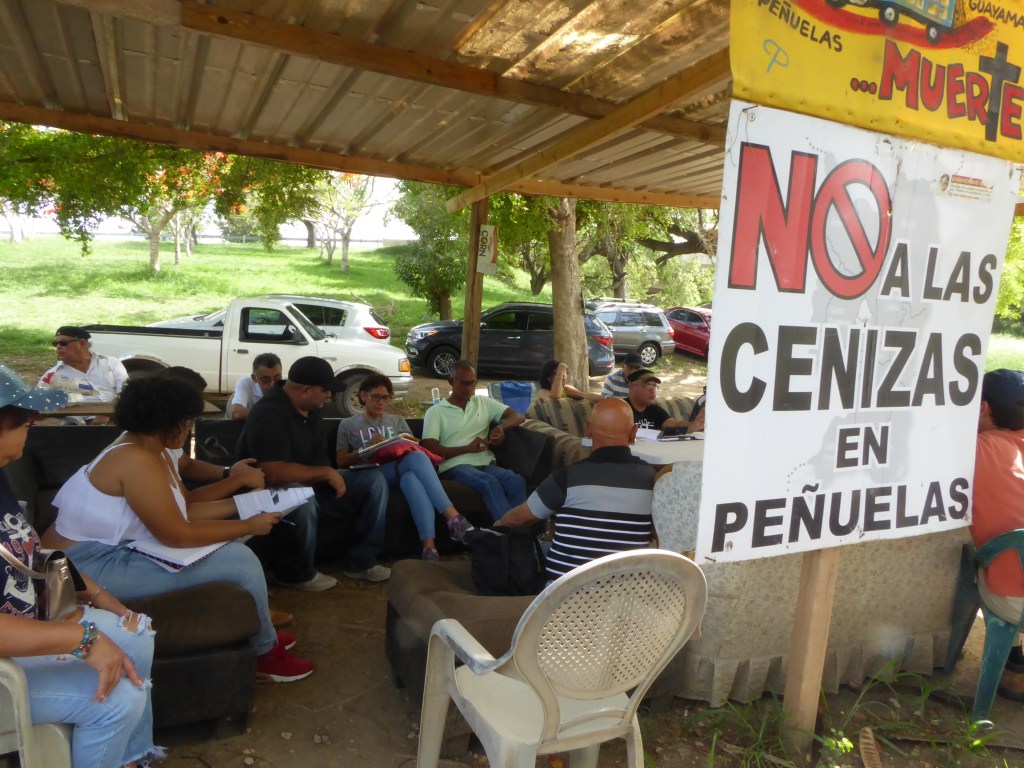
Anti-Coal Ash Community Organizations Meeting, PR. 2018.
Advocacy Narrative Anthropology (ANA) is a multifaceted method, narrative style, and framework developed by cultural and environmental anthropologist Dr. Hilda Lloréns in her scholarly books, articles, essays, as well as in news articles, which seeks to promote sociocultural advocacy through compelling narrative forms that resonate with diverse audiences.
Lloréns approach not only analyzes the myriad conditions, experiences, and stories that shape individual and collective lived experience and identities but also delves deeply into the nuances of cultural contexts, emphasizing the significance of storytelling as a powerful tool in promoting social change and addressing systemic issues that affect marginalized communities. By integrating qualitative research, cultural analysis, and personal and embodied experience, Dr. Lloréns provides a comprehensive lens through which to understand how narratives influence public perception, policy formation, and community mobilization, ultimately fostering a deeper understanding of the intricate role that culture plays in advocacy efforts.
Furthermore, this framework encourages the exploration of the connections between narratives and emotional engagement, illustrating how storytelling can inspire action and facilitate dialogue among stakeholders. In this way, Lloréns’ Advocacy Narrative Anthropology not only aims to highlight the voices of those often silenced but also empowers individuals to articulate their own experiences and aspirations, catalyzing meaningful, empowering, and positive sociocultural articulations.
ANA is influenced by the narrative style, theoretical, and conceptual frameworks proposed primarily by womanist and feminist writers of color. The advocacy component of this narrative methodology was born from Dr. Lloréns’ experiences in the late 1990s working as a community ethnographer at The Institute for Community Research (ICR), first founded as an community applied anthropology institute, located in Hartford, CT. In recent years, Dr. Lloréns has collaborated closely with other applied, community- centered scholars, activists, and educators including Dr. Carlos García-Quijano, Attorney Ruth Santiago, Dr. Catalina de Onís, and Dr. Maritza Stanchich.
The goal of ANA is to promote the practice and production of an “active cultural & environmental anthropology,” one that moves beyond the borders of the academy and reaches wide audiences, including students and general readers. This approach believes that a just, equitable anthropology is one which promotes its findings in an understandable manner to non-anthropologists. Anthropologists using ANA are encouraged to work alongside individuals and communities in the service of advocating and assisting in finding solutions to the problems and threats they face, as identified by the communities themselves.
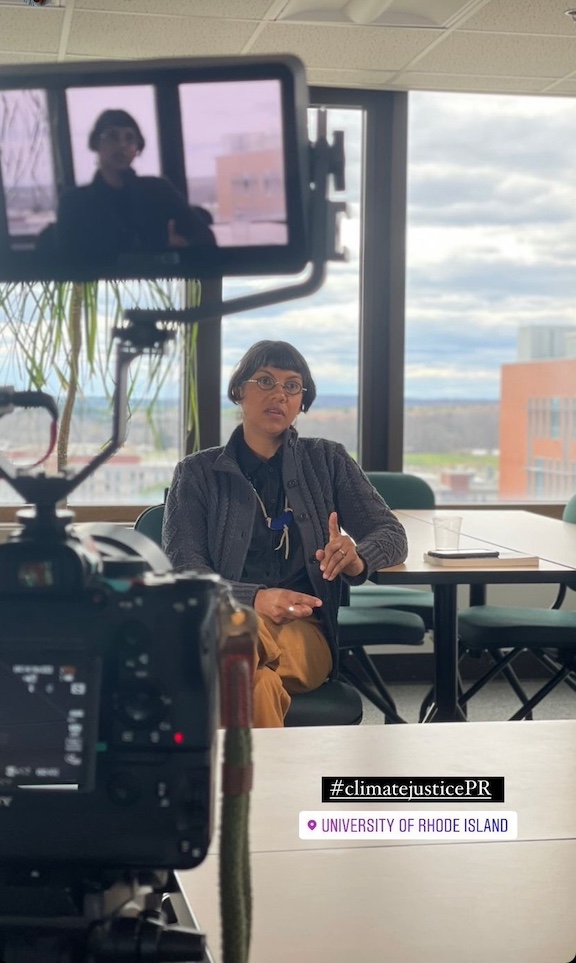
This site features Dr. Lloréns research, as well as the public writing of some of her students at The University of Rhode Island.
 hildallorens.com